Are you deciding between the Dolomites and Swiss Alps for your next hike in Europe? Both places have stunning views, but they cost differently. If you want to hike in Europe without spending a lot, this article will guide you.
We’ll show you the main differences between these famous mountains. You’ll find ways to save money and learn about the top hikes in each area. Whether you’re an experienced hiker or new to it, we’ll help you pick the best spot for your next trip.
Key Takeaways
- Compare the costs of hiking in the Dolomites and Swiss Alps
- Discover budget-friendly accommodations and dining options
- Learn about the best hiking trails in both regions
- Understand the differences in terrain and difficulty level
- Find out how to plan a cost-effective hiking trip
Introduction to Hiking in the Dolomites and Swiss Alps
For budget-conscious hikers, the Dolomites and Swiss Alps are top picks. They offer stunning views, rich history, and trails for all levels.
Overview of Each Destination
The Dolomites in northeastern Italy are famous for their unique rocks and wildlife. The Swiss Alps in southern Switzerland have towering peaks, calm valleys, and charming villages.
Both places have many hiking trails. The Dolomites have the Alta Via trails. The Swiss Alps are home to the Matterhorn Trail.
Why Choose Budget-Friendly Hiking?
Budget-friendly hiking lets you enjoy nature without spending a lot. You can find affordable places to stay, eat, and explore. This way, you can hike in the Dolomites or Swiss Alps without spending too much.
Choosing affordable options means you can stay longer or see more. You can try local foods and visit cultural sites.
The Best Time to Visit for Hiking
The best time to hike in the Dolomites and Swiss Alps depends on the weather and trail conditions. The hiking season is from late spring to early autumn.
Summer is great for warm weather. Autumn has beautiful views and fewer people. Always check the weather and trail conditions before you go.
Key Differences Between the Dolomites and Swiss Alps
When deciding between the Dolomites and Swiss Alps for your next hike, it’s important to know what each offers. Both places have stunning views and trails, but they suit different tastes and hiking levels.
Landscape and Terrain
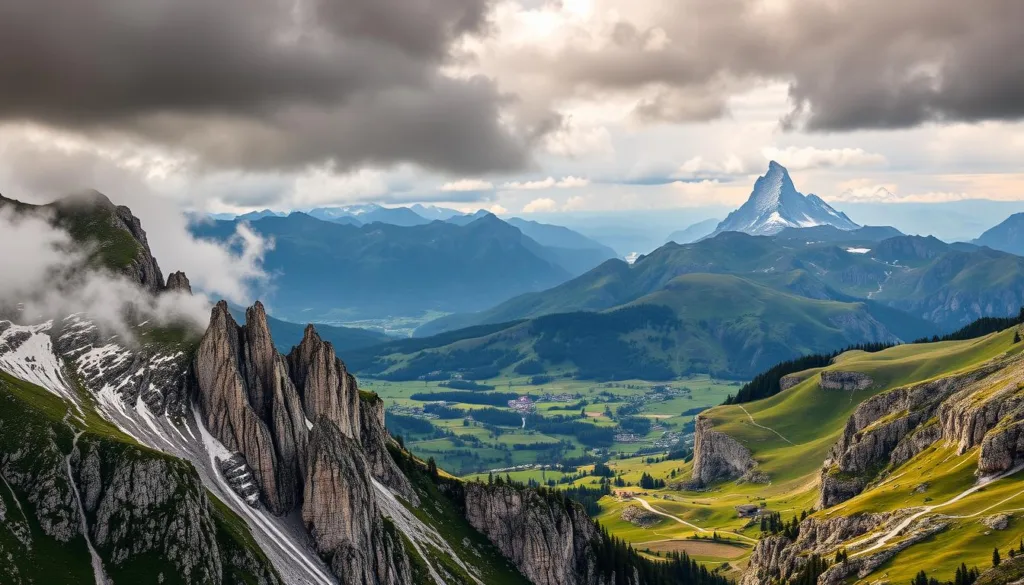
The Dolomites in northeastern Italy are famous for their unique rock formations and dramatic views. The terrain is tough, with steep climbs and uneven paths. On the other hand, the Swiss Alps have a mix of landscapes, including green valleys, glaciers, and high peaks. The Swiss Alps’ terrain is demanding but often has gentler climbs and clear trails.
Hiking Difficulty Levels
Both areas have trails for every hiker, but the Dolomites are known for their via ferrata routes. These require good physical shape and some technical know-how. The Swiss Alps also have tough hikes, like glacier crossings and high-altitude paths. Yet, many Swiss Alps trails are easier and well-signposted.
Accessibility and Transportation Options
The Dolomites are easy to reach, with many trails near public transport. The Swiss Alps are also accessible but need more planning for getting to remote spots. Both places have good public transport, making it simple to travel without a car.
| Feature | Dolomites | Swiss Alps |
|---|---|---|
| Landscape | Distinctive rock formations, dramatic landscapes | Varied landscapes, including glaciers and valleys |
| Hiking Difficulty | Via ferrata routes, challenging terrain | Varied difficulty, including glacier crossings |
| Accessibility | Relatively accessible, public transportation available | Accessible, but may require more planning for remote areas |
Budget-Friendly Hiking Tips for the Dolomites
The Dolomites offer a unique hiking experience that’s both stunning and affordable. There are many cost-effective options for travelers. The Dolomites have trails for all skill levels, making it easy for everyone to enjoy this UNESCO World Heritage Site without spending a lot.
Affordable Accommodations
Looking for affordable places to stay is key for budget-friendly hiking in the Dolomites. Rifugi, or mountain huts, offer basic but comfy lodging. They’re located along popular trails, perfect for hikers. It’s wise to book early, as they fill up fast during peak season.
- Choose rifugi with dorms for a cheaper stay.
- Some rifugi have meal options, saving you money on food.
- Camping is another cheap option, with campsites near trails.
Cost-Effective Dining Options
Eating out in the Dolomites can be budget-friendly if you know the right spots. Try local trattorias and agriturismos for traditional Italian food at good prices. Buying food at markets or stores is also smart, if your place allows it.
- Try local dishes like polenta and game meat at rifugi or local restaurants.
- Buy fresh food and snacks at markets for the trail.
- Look for places with kitchens to save on eating out.
Free Activities in the Dolomites
There’s more to do than just hike in the Dolomites. Explore quaint towns and villages, visit churches, and enjoy the views for free. These towns have a rich history and culture, adding depth to your visit.
“The Dolomites are not just a natural wonder but also a place rich in cultural heritage, with stories etched into every rock and valley.” –
- Discover the historic town centers and landmarks.
- Join in local festivals and events for a taste of culture.
- Use the many scenic spots and photo opportunities.
Budget-Friendly Hiking Tips for the Swiss Alps
Hiking in the Swiss Alps doesn’t have to cost a lot. Here are some tips to plan a budget-friendly trip. The Swiss Alps have amazing landscapes and trails that won’t break the bank if you know where to go.
Finding Budget Lodgings
Accommodation is a big part of your hiking trip budget. In the Swiss Alps, you can find affordable places to stay. Look for hostels or camping sites instead of staying in tourist areas to save money.
Some popular options include:
- Hostels: Many hostels in the Swiss Alps offer dormitory rooms and basic amenities at affordable prices.
- Camping: For those who enjoy camping, the Swiss Alps have numerous camping sites. Some are equipped with facilities like showers and laundry.
- Budget Hotels: Look for hotels that offer discounts for longer stays or off-season bookings.
Budget Eating Recommendations
Eating out in the Swiss Alps can be expensive. But, you can enjoy local food on a budget. Here are some tips:
- Self-Catering: If your accommodation allows it, buying groceries and preparing your meals can significantly cut costs.
- Local Markets: Visit local markets for fresh produce and sometimes ready-to-eat meals at lower prices.
- Budget Restaurants: Look for eateries that offer traditional Swiss dishes at reasonable prices. Avoid restaurants in heavily touristy areas.
| Dining Option | Average Cost | Tips |
|---|---|---|
| Self-Catering | $10-$15 per meal | Buy groceries from local markets or stores. |
| Budget Restaurants | $15-$25 per meal | Look for places popular with locals. |
| Local Markets | $5-$10 per item | Great for snacks or ingredients. |
Free Experiences in the Swiss Alps
The Swiss Alps offer more than just hiking. There are many free experiences to enjoy. These include:
- Exploring Villages: Many charming villages in the Swiss Alps are free to explore and offer a glimpse into local culture.
- Visiting Local Landmarks: Some landmarks and viewpoints are free and offer stunning views.
- Wildlife Watching: The Swiss Alps are home to various wildlife. Keep an eye out for animals like ibex and chamois.
By following these budget-friendly tips, you can have a great hiking adventure in the Swiss Alps without spending too much. Whether it’s finding affordable places to stay, eating on a budget, or enjoying free experiences, there’s something for every hiker in this beautiful region.
Best Hikes in the Dolomites
Explore the best hikes in the Dolomites, where stunning views meet affordable adventures. This UNESCO World Heritage Site boasts trails for every hiker. Whether you’re up for a short day trip or a long trek, the Dolomites have it all.
Tre Cime di Lavaredo
The trail around Tre Cime di Lavaredo is a must-see. It features three massive peaks and is a moderate hike. The 10-kilometer loop offers breathtaking views. Stay in Misurina for budget-friendly lodging.
Alta Via 1
Alta Via 1 is for the seasoned hiker. This 120-kilometer trail takes 7-10 days to finish. It covers varied terrains and altitudes. Budget-friendly rifugios make it accessible.
Lago di Braies
The hike around Lago di Braies is perfect for a calm day. This easy 3.5-kilometer loop is great for families. Enjoy a picnic by the lake for a budget-friendly outing.
These are just a few of the many hikes in the Dolomites. With some planning, you can explore these amazing trails without spending a lot. Affordable accommodations, dining, and activities make it possible.
Best Hikes in the Swiss Alps
The Swiss Alps are a dream for hikers, with their towering mountains and beautiful valleys. There are trails for all skill levels and interests. So, every hiker can find the perfect adventure.
The Matterhorn Trail
The Matterhorn Trail is a famous hike in the Swiss Alps. It offers amazing views of the Matterhorn mountain. This trail is tough, but the views and feeling of achievement are worth it.
To save money, stay in budget-friendly accommodations in Zermatt or Grächen.
Aletsch Glacier
The Aletsch Glacier trail is perfect for nature fans and those who prefer easier hikes. It shows off the glacier and mountains. You can try local cuisine at mountain huts along the way without spending a lot.
“The Aletsch Glacier is a UNESCO World Heritage Site and one of the most beautiful natural wonders in the Swiss Alps.” –
Eiger Trail
The Eiger Trail is a favorite among hikers, with its stunning views of the Eiger North Face. The trail is challenging, but the scenery is unmatched. To save money, choose self-catering accommodations in nearby villages.
When planning your Swiss Alps hike, pack smart. Also, enjoy free activities like exploring local villages and taking in the scenery.
Essential Packing List for Budget Hikers
To enjoy budget-friendly hikes in Europe, you need the right gear. Whether you’re off to the Dolomites or the Swiss Alps, a good backpack is key. It makes your hike better.
Clothing and Footwear Recommendations
For clothes, layering is essential. Weather in mountains can change fast. So, have clothes that can adapt.
Start with a moisture-wicking base layer. Then, add an insulating mid-layer. Finish with a waterproof outer layer.
For shoes, sturdy hiking boots are a must. Look for affordable options that support your ankles and keep your feet dry. Merrell and Salomon offer great boots without spending too much.
Budget Hiking Gear
Your hiking gear should be both functional and affordable. Here are some essentials:
- A comfortable backpack with rain cover
- A portable water filter or purification tablets
- A lightweight tent if you plan on camping
- A first-aid kit
- Navigation tools like a map and compass
| Gear | Brand | Approximate Cost |
|---|---|---|
| Backpack | Osprey | $80 |
| Water Filter | LifeStraw | $20 |
| Tent | REI Co-op | $300 |
Food and Water Supplies
For affordable European hiking spots, pack your own food and water. Dried fruits, nuts, and energy bars are perfect for quick snacks. For longer hikes, dehydrated meals are a good choice.
Always carry a water bottle or hydration bladder. Also, have a way to purify water to stay safe while hiking.
Safety and Regulations in Each Region
Planning a hike in the Dolomites or Swiss Alps? Safety is key. Both places have stunning trails. But knowing the safety rules and local laws is important for a great trip.
Safety Tips for Hikers
To hike safely, preparation is key. Here are some important tips:
- Always check the weather forecast before heading out.
- Wear the right clothes and shoes for the terrain.
- Carry water, snacks, and a first-aid kit.
- Tell someone your hiking plans and when you’ll be back.
- Stick to marked trails and avoid risks.
Weather conditions can change fast in the Dolomites and Swiss Alps. Being ready for sudden weather changes is essential.
Local Regulations and Permits
Knowing local rules and getting the right permits is important for hiking. Here’s a comparison:
| Region | Permit Requirements | Regulations |
|---|---|---|
| Dolomites | Some trails need a permit, mainly in peak season. | Respect the environment; don’t litter and stay on trails. |
| Swiss Alps | Usually, no permits are needed, but some areas might have rules. | Follow local rules; watch out for wildlife and protected areas. |
Emergency Contacts and Resources
In an emergency, knowing local emergency numbers and having resources is vital. Here are some important ones:
- Dolomites: Call 112 (European emergency number). Local guides and tour operators can help.
- Swiss Alps: Call 112 or 118 (for air rescue). The Swiss Alpine Club (SAC) offers emergency help.
Knowing safety tips, local rules, and emergency contacts ensures a safe and fun hike in the Dolomites or Swiss Alps.
How to Choose Between the Dolomites and Swiss Alps
Choosing between the Dolomites and Swiss Alps for hiking depends on several things. Your preferences, budget, and what you want from your hike are key. These factors will guide your decision.
Evaluating Your Hiking Preferences
Think about what you like most in hiking. Do you want tough trails with amazing views or easy walks? The Dolomites have trails for all, from simple day hikes to long treks like the Alta Via 1. The Swiss Alps, with their famous peaks, offer challenging trails like the Matterhorn Trail.
Trail difficulty and scenic beauty matter a lot. If you’re up for a tough hike, the Swiss Alps might be better. For trails with great views and different levels of difficulty, the Dolomites are a good pick.
Considering Budget Constraints
Cost is a big part of planning your trip. Both places have various accommodations, but prices differ. The Dolomites tend to be cheaper for places to stay and eat compared to the Swiss Alps.
- Accommodation: Find budget-friendly hotels, hostels, or mountain huts.
- Dining: Eat at local spots and try traditional food, which is often cheaper.
- Activities: Choose free or low-cost things like hiking and visiting villages.
Making the Final Decision
Make your choice by balancing what you want with your budget. Keep in mind the season you plan to visit, as prices change. Both places offer amazing hiking experiences, so you’ll have a great time no matter your choice.
Ultimately, your decision should match your hiking goals and budget. By thinking about these, you’ll pick the best place for you.
Conclusion: Your Perfect Hiking Adventure Awaits
Thinking about your next hiking trip? The Dolomites and Swiss Alps are great choices for budget-friendly hikes in Europe. With some planning, you can see amazing views without spending a lot.
Budget Considerations Recap
Plan your trip wisely. Look for affordable places to stay, eat cheap, and find free things to do. This way, you can enjoy hiking without spending too much.
Start Your Hiking Journey
Choosing the Dolomites or Swiss Alps means you’re set for an amazing hike. With the right prep, you’re ready to hit the trails and make memories that last.
So, get your hiking gear ready, put on your boots, and explore Europe’s stunning landscapes. Your dream hiking adventure is waiting for you.
FAQ
What are the best budget hikes in the Dolomites and Swiss Alps?
The Dolomites have trails like Tre Cime di Lavaredo and Lago di Braies. The Swiss Alps boast the Matterhorn Trail and Eiger Trail. Both can be enjoyed on a budget with some planning.
How do I choose between the Dolomites and Swiss Alps for hiking?
Think about what you like in a hike, like difficulty and views. Also, consider your budget. This will help you decide between the Dolomites and Swiss Alps.
Are there affordable accommodations available in the Dolomites and Swiss Alps?
Yes, you can find affordable places to stay in both areas. Options range from budget lodgings to camping. This makes hiking in Europe on a budget possible.
What is the best time to visit the Dolomites and Swiss Alps for hiking?
Summer is the best time for hiking in both places. The weather is warm and trails are clear. Shoulder season can also be good for fewer crowds.
How can I save money on food while hiking in the Dolomites and Swiss Alps?
Look for affordable places to eat, like local spots. You can also buy groceries for self-catering. Picnic lunches are another cost-effective option.
What safety precautions should I take when hiking in the Dolomites and Swiss Alps?
Always check the weather forecast. Wear the right gear and bring what you need. Know local rules and emergency contacts for a safe trip.
Are there any free activities to enjoy in the Dolomites and Swiss Alps?
Yes, there are many free things to do. Enjoy scenic drives, visit local villages, and explore the natural beauty of both areas.
What are the key differences between hiking in the Dolomites and Swiss Alps?
The Dolomites are famous for their unique rock formations and easier trails. The Swiss Alps offer tougher hikes and iconic peaks like the Matterhorn.
Can I hike in the Dolomites and Swiss Alps without breaking the bank?
Absolutely, you can have a great hiking experience without spending too much. With some budget-friendly tips, you can enjoy both destinations without overspending.