Visiting Iceland in September is a great idea. The weather is mild, and there are fewer crowds than in summer. This makes it perfect for exploring the stunning landscapes.
You can see the Aurora Borealis in all its beauty. And you can do it without spending a lot. In this article, we’ll show you how to see the Northern Lights. Plus, we’ll share tips on saving money on your trip.
Key Takeaways
- Best times and locations to see the Northern Lights
- Tips for capturing the perfect shot of the Aurora Borealis
- Budget-friendly accommodations and activities
- Transportation options to save money
- Insider tips for an unforgettable trip
Why Visit Iceland in September?
September is a great time to see Iceland. The weather is mild, and there are fewer tourists. This makes it easy to enjoy the country’s wonders without the crowds.
Ideal Weather Conditions
The weather in Iceland in September is mild. Temperatures are between 40°F and 50°F (4°C to 10°C). This is perfect for outdoor fun like hiking and exploring hot springs.
September is also great for photography. The soft light and fewer clouds are ideal for capturing Iceland’s beauty.
Fewer Tourists
Visiting Iceland in September means fewer tourists. You can see places like the Golden Circle without the crowds. This makes your visit more relaxed and fun.
With fewer people, you get a more authentic experience of Icelandic culture and nature. You won’t have to compete for the best views or photos.
Understanding the Northern Lights Phenomenon
As September nights get darker, Iceland becomes a top spot for seeing the Aurora Borealis. This natural wonder has amazed people for centuries. It’s a must-see during your visit to Iceland in September.
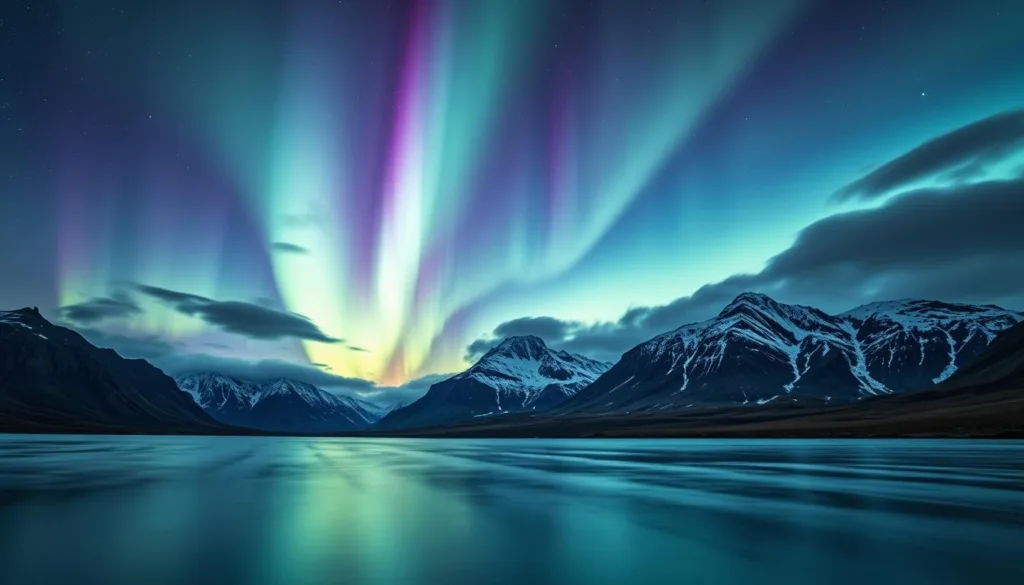
The Northern Lights, or Aurora Borealis, happen when solar particles meet Earth’s magnetic field and atmosphere. This meeting creates the colorful lights we see in the sky.
What Causes the Northern Lights?
The Aurora Borealis involves solar winds, magnetic fields, and gases in the atmosphere. Solar winds are charged particles from the Sun. When they hit Earth’s magnetic field, they go towards the poles.
At the poles, these particles meet gases like oxygen and nitrogen. This makes them release energy as light. The light’s color depends on the particles’ energy and where they meet the atmosphere.
Best Times to See the Aurora
The best time to see the Northern Lights in Iceland is from late August to early April. September is great because the nights are dark enough to see the lights well.
Here are some tips for viewing the Northern Lights in Iceland:
- Check the aurora forecast to predict when the lights will be most active.
- Head to locations with minimal light pollution for the best views.
- Dress warmly, as you’ll be standing outside for extended periods.
- Be patient and keep an eye on the sky, as the lights can be active for a few minutes to several hours.
By understanding the science behind the Northern Lights and knowing the best times to view them, you can maximize your chances of witnessing this incredible natural phenomenon during your trip to Iceland in September.
Best Locations in Iceland for Northern Lights Viewing
Iceland is famous for its stunning Northern Lights displays. Knowing the best spots to see this wonder can make your trip unforgettable. The aurora borealis can be seen all over the country. But some places have better views because of less light pollution and the right conditions.
Top Spots in Reykjavik
Reykjavik, the capital, has many great spots for Northern Lights viewing. Perlan Museum is a favorite, with its glass dome giving a clear view of the sky. Another top spot is the Grotta Lighthouse, on the city’s edge. It offers a peaceful and less crowded view.
“The city lights of Reykjavik can sometimes hinder the visibility of the Northern Lights, but with a little planning, you can enjoy a spectacular display.”
Exploring the Golden Circle
The Golden Circle is a top tourist route for Northern Lights sightings. Þingvellir National Park, Geysir, and Gullfoss are stunning by day and magical at night. Seeing these wonders under the Northern Lights is unforgettable.
| Location | Distance from Reykjavik | Best Time to Visit |
|---|---|---|
| Þingvellir National Park | 45 km | After dark, during aurora activity |
| Geysir | 105 km | After dark, during aurora activity |
| Gullfoss | 120 km | After dark, during aurora activity |
Off-the-Beaten-Path Locations
For a unique experience, explore Iceland’s remote areas. The Westfjords are known for their dark skies, perfect for viewing. The Diamond Beach in Southeast Iceland, with its black sand and ice, is another surreal spot.
- Westfjords: Remote and pristine, ideal for a secluded Northern Lights experience.
- Diamond Beach: Unique landscapes and the possibility of seeing the Northern Lights over the ocean.
By choosing these locations, you can see the Northern Lights in all their beauty. Whether you stay in Reykjavik or venture out, Iceland’s beauty and the aurora borealis will leave a lasting impression.
Planning Your Trip to Iceland
Iceland in September is more than just the Northern Lights. It’s a chance to explore many unforgettable experiences. Think about all the activities and landscapes this amazing country offers.
Must-Do Experiences Beyond the Northern Lights
Iceland has more than just the Northern Lights. You can see stunning glaciers, visit black sand beaches, or relax in geothermal hot springs. Each offers a special view of Iceland’s beauty.
For thrill-seekers, try glacier hiking and ice climbing. Or, enjoy a calm visit to the Blue Lagoon. These activities make your trip memorable and enriching.
Creating an Itinerary
Creating a good itinerary is key. First, list the top attractions like the Golden Circle and Reykjavik city tours. Then, add some hidden gems to your plan.
Look for Iceland vacation deals to save money. Booking early and being flexible can cut costs. September is great because the weather is mild and there are fewer people.
Plan well and mix popular spots with hidden gems. This way, your trip to Iceland will be truly special.
How to Save Money on Travel Expenses
Visiting Iceland in September can save you money. The summer crowds are gone, and prices for places to stay and tours are lower. You won’t miss out on the best spots.
Budget-Friendly Accommodation Options
Iceland has many affordable places to stay, from hostels to guesthouses. Staying in Reykjavik or nearby towns can cut down on travel costs. Here are some options to consider:
- Hostels with dorm rooms and private rooms
- Guesthouses with a cozy feel
- Budget hotels with the basics
Camping sites for outdoor lovers
| Accommodation Type | Average Price per Night | Features |
|---|---|---|
| Hostel Dorm | $30-$50 | Shared or private rooms, communal facilities |
| Guesthouse | $80-$120 | Private rooms, breakfast included, homey atmosphere |
| Budget Hotel | $100-$150 | Private rooms, basic amenities, sometimes breakfast included |
Affordable Dining Tips
Eating out in Iceland can be pricey, but you can enjoy local food without spending too much. Here are some tips:
- Eat at local cafes or food courts
- Try traditional Icelandic dishes that are priced right
- Make your own meals or snacks
- Buy groceries at local supermarkets
Tip: Look for restaurants with dagskrá (daily menu) or þingmen (lunch of the day). They’re often cheaper.
By picking affordable places to stay and eat, you can enjoy Iceland in September without spending a lot. Plan ahead, look for deals, and take advantage of the shoulder season to save.
Transportation Tips in Iceland
Traveling around Iceland can be tricky, but with the right tips, you can enjoy your trip more. You might want to save money, create your own plan, or prefer a guided tour. Knowing your options is key.
When planning your trip to Iceland, think about how you’ll get around. The country has many ways to travel, like renting a car, joining tours, or using public transport. This is important, as you might see the Northern Lights in September.
Renting a Car vs. Guided Tours
Renting a car lets you explore at your own pace. You can drive to hidden spots, stop whenever you want, and enjoy the views. But, you’ll need to handle driving in winter and manage costs like fuel and parking.
Guided tours, on the other hand, offer a stress-free experience. They’re great for seeing the Northern Lights without worrying about driving. Tours usually include expert guides and the best spots to see the lights. But, you’ll have to stick to the tour’s schedule and path.
| Transportation Method | Flexibility | Cost | Northern Lights Viewing |
|---|---|---|---|
| Renting a Car | High | Variable (rental, fuel, parking) | Potential for remote viewing locations |
| Guided Tours | Low | Fixed (tour price) | Expert guidance to optimal viewing spots |
Public Transport Options
Iceland has buses and some trains for public transport. It’s a cheap way to travel, but service can be rare in rural areas. This might not be the best choice for those with tight schedules or wanting to see remote places.
“Public transport in Iceland is improving, but it’s not perfect, mainly for those wanting to see more than Reykjavik.” –
If you’re using public transport, plan carefully. The Stræto bus service is a good option, but it has its limits.
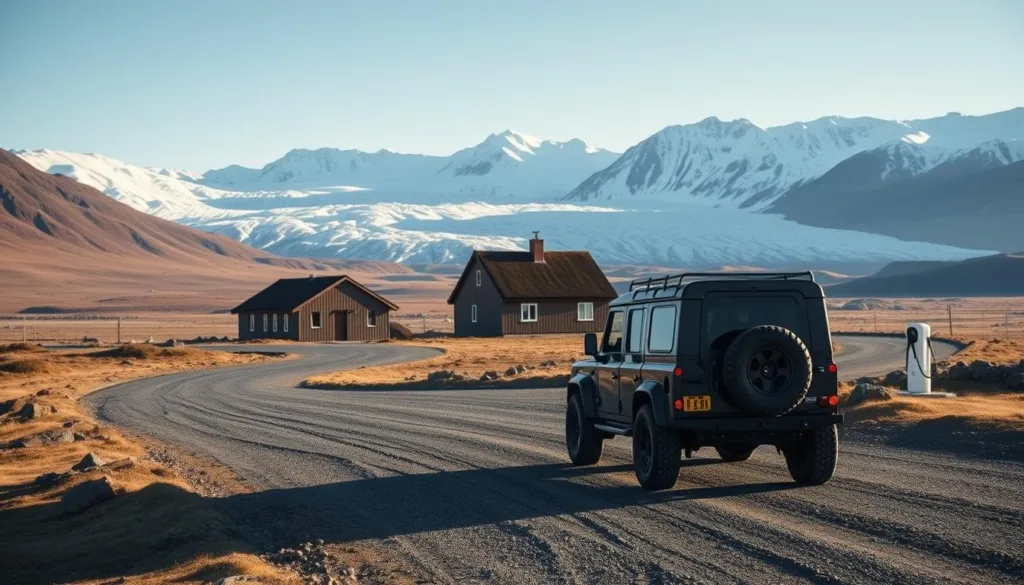
The best way to travel in Iceland depends on what you want. You might prefer a rental car for freedom, a guided tour for ease, or public transport for saving money. Knowing your options will help you enjoy your trip more.
Choosing the Right Northern Lights Tour
Seeing the Northern Lights in Iceland is a once-in-a-lifetime experience. The right tour can make it even better. If you don’t want to drive in Iceland or prefer a guided trip, consider a Northern Lights tour.
Group Tours vs. Private Tours
Choosing between a group or private tour depends on what you like. Group tours are cheaper and fun, letting you meet new people. But, they stick to a set plan.
Private tours are more personal, letting you customize your trip. They cost more but offer flexibility and a closer bond with your guide.
What to Look for in a Tour
When picking a tour, consider a few key things. Look for knowledgeable guides who know a lot about the Northern Lights and Icelandic culture.
- Small group sizes for a more personal touch.
- Safety is critical; check the operator’s safety record.
- Flexibility in the plan is good for changing weather.
Choosing the right Northern Lights tour can make your experience unforgettable. It increases your chances of seeing this amazing natural wonder.
Preparing for Northern Lights Photography
Photographing the Aurora Borealis in Iceland needs the right gear and techniques. Knowing the basics of Northern Lights photography is key. It helps you capture the beauty of this natural wonder.
Essential Camera Gear
To get great Northern Lights photos, you need specific camera gear. A DSLR or mirrorless camera is a must, as they work better in low light than smartphone cameras. A wide-angle lens with a low f-stop value (like f/2.8) is best for capturing the Aurora’s wide view.
A sturdy tripod is also essential, as it keeps the camera steady for long shots. Choose a tripod that can handle Iceland’s harsh weather. Also, a remote shutter release or camera timer helps avoid camera shake during long exposures.
| Camera Gear | Description | Importance |
|---|---|---|
| DSLR/Mirrorless Camera | Better low-light performance | High |
| Wide-Angle Lens | Captures broad sweep of Aurora | High |
| Tripod | Stabilizes camera for long exposures | High |
| Remote Shutter Release/Timer | Reduces camera shake | Medium |
Tips for Capturing the Perfect Shot
With the right gear, focus on technique. Use a low ISO (start with 800-1600) to reduce noise. Set your camera to manual focus, aiming for infinity. Also, experiment with exposure times, starting at 10-20 seconds, to capture the Aurora’s movement without overexposing.
Take multiple shots in quick succession to increase your chances of getting the perfect moment. Remember, patience is key when photographing the Northern Lights.
Packing Essentials for Iceland in September
Packing for Iceland in September needs careful thought because of the unpredictable weather. Think about the activities you want to do and the weather you might face.
Clothing Tips for Variable Weather
Iceland’s weather in September can change a lot, with temperatures from cool to mild. To stay comfy, pack:
- Layered clothing: Mix lightweight and warm layers for temperature changes.
- Waterproof gear: A waterproof jacket and pants keep you dry in rain or wind.
- Warm accessories: Bring a warm hat, gloves, and scarf to fight off the cold.
- Comfortable footwear: Pack sturdy, waterproof hiking boots or shoes for walking and outdoor fun.
Other Must-Have Items
There are other key items to pack for a great trip to Iceland:
- Power adapter: Iceland uses Type F sockets, so a portable adapter is useful.
- Portable charger: Your phone’s battery will go down fast with all the photos, so a charger is essential.
- Camera gear: Bring a camera with a long battery life and a tripod for Northern Lights shots.
- Reusable water bottle: Use a refillable water bottle to stay hydrated and cut down on plastic waste.
With these essentials, you’ll be ready for Iceland’s September weather. This makes your trip more enjoyable and stress-free.
Safety Tips While Observing the Northern Lights
When you’re ready to see the Northern Lights in Iceland, safety is key. This natural wonder is exciting, but you must plan and stay alert.
Staying Warm and Comfortable
Dressing right for Iceland’s cold is vital. Layering your clothes helps keep you warm. Start with thermal base layers, then insulating ones, and end with a waterproof jacket.
Wear warm hats, gloves, and sturdy boots to keep your hands and feet warm.
Carrying hot drinks like tea or coffee can also help. Many tours offer these, but it’s smart to check first.
Navigating Iceland’s Terrain
Iceland’s landscapes are beautiful but can be tricky. Always listen to local guides or authorities. If driving, watch out for icy roads and poor visibility.
- Stay on marked paths and avoid venturing into the wild.
- Keep your phone charged and have a backup power source.
- Watch out for weather changes.
By following these tips, you’ll have a safe and fun time seeing the Northern Lights in Iceland. Being prepared can also help you save money by avoiding extra costs from accidents or last-minute changes.
Additional Resources for Your Iceland Journey
Planning a trip to Iceland? The right resources can make a big difference. Download travel guides and apps for insider tips and real-time info. They’ll help you explore the country and enjoy the Northern Lights.
Reliable Guides and Apps
Find guides with detailed maps, weather forecasts, and tips for hidden spots. Apps like Guide to Iceland and Visit Reykjavik are great for travelers. Also, look for deals on vacation packages and Northern Lights tours online.
Helpful Websites and Forums
Travel websites and forums in Iceland are full of useful info. You’ll find tips on seeing the Northern Lights and finding affordable places to stay. Use these resources to make your trip to Iceland unforgettable and easy.
FAQ
What is the best time to see the Northern Lights in Iceland?
The best time to see the Northern Lights in Iceland is from late August to early April. September is a great month to see this amazing sight.
Are the Northern Lights visible throughout Iceland?
Yes, you can see the Northern Lights all over Iceland. But some places are better than others for viewing.
What are the top locations in Reykjavik to see the Northern Lights?
In Reykjavik, visit the Perlan Museum or the Grotta Lighthouse to see the Northern Lights.
How can I save money on travel expenses in Iceland?
Stay in budget-friendly places like hostels or guesthouses. Eat at affordable spots that serve traditional Icelandic food.
What are the best ways to get around Iceland?
Rent a car, join a guided tour, or use public transport. Choose what fits your budget and preferences.
What should I look for when choosing a Northern Lights tour?
Look for tours with knowledgeable guides, small groups, and a focus on safety.
What camera gear is essential for capturing the Northern Lights?
Bring a tripod, wide-angle lens, and a camera that works well in low light. This will help you take amazing photos.
What should I pack for Iceland in September?
Pack layers, including a waterproof jacket and warm hat. Don’t forget comfortable hiking boots, a power adapter, and a portable charger.
How can I stay safe while observing the Northern Lights?
Dress warmly in layers and bring hot drinks. Be careful of your surroundings, mainly in rural areas or on icy roads.