Are you searching for a journey that blends physical health with mental peace? Thailand’s calm landscapes and vibrant culture are perfect for yoga lovers. Starting a yoga retreat as a beginner can be both challenging and thrilling.
Thailand has many affordable yoga retreats designed for beginners. You can find them in beautiful mountains or by the sea. These places are ideal for enhancing your yoga skills and refreshing your spirit. We’ll show you the best choices for 2025.
Key Takeaways
- Discover the top yoga retreats in Thailand for beginners.
- Explore affordable options for a transformative experience.
- Learn what to expect from a yoga retreat in Thailand.
- Find the perfect setting to deepen your yoga practice.
- Get insights into the benefits of yoga retreats for mental and physical wellness.
Introduction to Yoga Retreats in Thailand
A yoga retreat in Thailand is more than a vacation. It’s a chance to deeply explore yoga and meditation in a peaceful setting. Thailand, with its calm landscapes, rich culture, and friendly vibe, is a top spot for yoga lovers worldwide.
What is a Yoga Retreat?
A yoga retreat is a holistic experience that mixes yoga, meditation, and relaxation in a calm place. It aims to deepen your practice, refresh your body and mind, and find inner peace. Retreats vary, with activities like yoga classes, meditation, and workshops on mindfulness and wellness.
Benefits of Yoga for Beginners
For yoga newbies, a Thai retreat is perfect to discover yoga’s benefits. Yoga boosts flexibility, lowers stress, and improves overall health. It’s for everyone, no matter your age or fitness level. Beginners will learn basic poses, breathing, and relaxation techniques to use at home.
| Benefit | Description |
|---|---|
| Improved Flexibility | Yoga stretches and lengthens muscles, boosting flexibility. |
| Stress Reduction | Yoga’s meditation and breathing lower stress levels. |
| Enhanced Well-being | Yoga balances energy and calms the mind, improving well-being. |
Why Choose Thailand for Your Retreat?
Thailand is a top choice for yoga retreats because of its culture, spirituality, and natural beauty. It offers various settings, from peaceful islands to green mountains, perfect for yoga. Thai culture’s focus on spirituality and wellness makes it ideal for a holistic yoga experience.
When planning your Thai yoga retreat, think about what you want: a relaxing break, intense yoga, or cultural exploration. Thailand meets all these needs, making it an affordable and enriching destination for yoga fans.
Top Locations for Yoga Retreats in Thailand
Thailand has many places for yoga retreats, from beaches to mountains. It’s great for both new and experienced yogis. The country’s different landscapes make it perfect for a yoga journey.
The Charm of Koh Samui
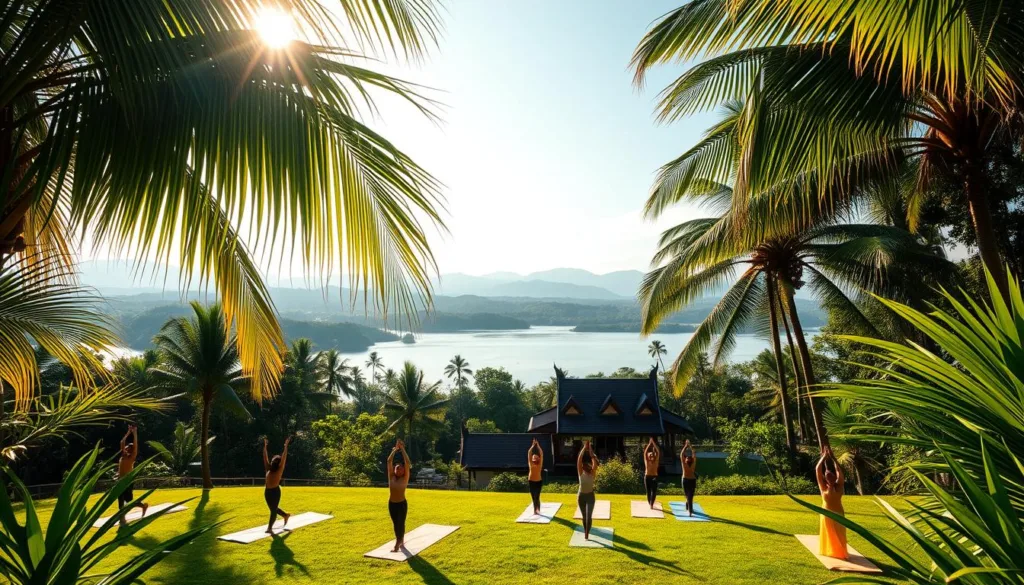
Koh Samui is a tropical paradise with beautiful beaches and forests. It’s peaceful and perfect for yoga and meditation.
Tranquility in Chiang Mai
Chiang Mai is known for its culture and spirituality. It offers a unique yoga experience. The city’s calm temples, markets, and mountains are great for yoga and self-discovery.
Island Vibes of Phuket
Phuket has stunning beaches and lively markets. It’s a great place for yoga retreats. The island has everything from quiet coves to busy towns for all preferences.
Here’s a comparison of the three locations based on their ambiance, activities, and accessibility:
| Location | Ambiance | Activities | Accessibility |
|---|---|---|---|
| Koh Samui | Tranquil, natural | Beach activities, yoga, meditation | Direct flights available |
| Chiang Mai | Cultural, spiritual | Temple visits, yoga, cultural tours | Well-connected by air and land |
| Phuket | Vibrant, relaxing | Beach activities, yoga, island hopping | Direct international flights |
Each location offers a special experience for yoga lovers. Whether you like Koh Samui’s calm, Chiang Mai’s culture, or Phuket’s energy, Thailand has the perfect retreat for you.
Essential Factors to Consider
Planning a yoga retreat in Thailand? There are key things to think about for a great experience. From budgeting to where you’ll stay, knowing these details helps you enjoy your time fully.
Budgeting for Your Yoga Retreat
Setting a budget is important for your yoga retreat. Prices change based on location, where you stay, and what’s included. Here are some main costs to keep in mind:
- Accommodation: Prices range from affordable bungalows to luxury resorts.
- Meals: Some retreats include meals, while others may require you to purchase food separately.
- Classes and Workshops: The cost of classes and workshops can vary; some retreats may include them in the overall package.
- Transportation: Consider the cost of getting to and from the retreat location.
To save money, think about going during the off-season or choosing a shorter retreat. Look for package deals that include everything you need.
Accommodation Options
Thailand has many places to stay, for every budget and preference. You can pick from:
- Shared Rooms: A cost-effective option that also fosters a sense of community.
- Private Bungalows: Ideal for those seeking more privacy and tranquility.
- Luxury Resorts: With high-end amenities and services for a more indulgent experience.
When choosing where to stay, think about how close it is to the yoga studio. Also, consider the quality of amenities and the overall vibe.
Retreat Duration and Schedules
Yoga retreats in Thailand vary in length and schedule. Here are some common options:
- Short Retreats: 3-5 days, ideal for a quick getaway or introduction to yoga.
- Week-Long Retreats: 7-10 days, for a more immersive experience.
- Extended Retreats: 2 weeks or more, for a deep dive into yoga practice and personal growth.
Typical schedules include morning and evening yoga classes. Some retreats also offer meditation, workshops, and free time for relaxation or exploration.
Understanding these essential factors helps you plan your yoga retreat in Thailand. This way, you can have a rewarding experience that meets your needs and expectations.
Yoga Styles Perfect for Beginners
Starting yoga can be both exciting and overwhelming. Knowing the right style is key. Let’s look at some beginner-friendly yoga styles to help you start strong.
Hatha Yoga: Slow and Steady
Hatha Yoga is a traditional yoga form. It focuses on poses and breathing. It’s great for beginners because it teaches you to hold poses and breathe right.
It’s practiced slowly, making it easy for newbies to follow.
Vinyasa Yoga: Flowing with Breath
Vinyasa Yoga, or flow yoga, links movement with breath. It’s a dynamic style that flows from pose to pose. It’s perfect for beginners who like movement and want to build strength and flexibility.
While it’s more challenging than Hatha Yoga, many classes offer modifications for beginners.
Restorative Yoga: Relaxation Focus
Restorative Yoga uses props to support your body in relaxing poses. It’s great for beginners to relax and rejuvenate. It’s also good for those who need to work on flexibility or are recovering from injuries.
To better understand these styles, here’s a summary table:
| Yoga Style | Focus | Pace | Benefits for Beginners |
|---|---|---|---|
| Hatha Yoga | Physical postures and breathing techniques | Slow | Improves alignment, balance, and introduces basic yoga principles |
| Vinyasa Yoga | Flowing movements synchronized with breath | Dynamic | Builds strength, flexibility, and internal heat; offers modifications for different levels |
| Restorative Yoga | Relaxation and rejuvenation using props | Very slow | Promotes deep relaxation, helps with flexibility, and is beneficial for recovery |
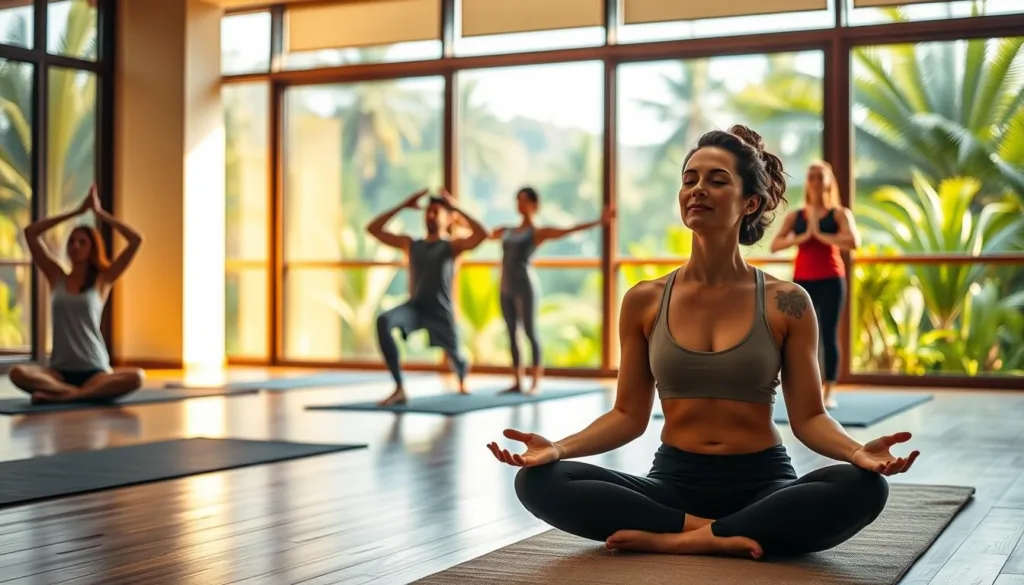
Exploring different yoga styles is the best way to find what suits you. Whether you like Hatha Yoga’s slow pace, Vinyasa Yoga’s flow, or Restorative Yoga’s relaxation, there’s a style for you.
Best Affordable Yoga Retreats in Thailand
Thailand is a great place for a peaceful and spiritual trip. It has some of the best affordable yoga retreats. These places offer a calm setting and expert yoga guidance.
My Yoga Retreat, Koh Samui
My Yoga Retreat in Koh Samui is perfect for yoga lovers. It’s on the beautiful island of Koh Samui. Here, you’ll find beautiful views and serene surroundings.
The retreat has daily yoga classes, meditation, and yoga philosophy workshops. You can stay in simple bungalows or luxury villas. They also serve healthy meals.
The Yoga Tree, Chiang Mai
The Yoga Tree in Chiang Mai offers a real yoga experience. It’s in a peaceful spot, surrounded by nature. You can try different yoga styles here.
The instructors give you personal attention to improve your yoga. There are meditation classes and wellness treatments like massages. You can choose from shared dorms to private rooms.
Simple Life Resort, Phuket
Simple Life Resort in Phuket focuses on simplicity and mindfulness. It’s a calm place for yoga and relaxation. The atmosphere is peaceful, and the views are stunning.
The retreat has yoga classes, meditation, and wellness activities. They also focus on healthy eating with organic meals. The resort is eco-friendly.
The rooms are simple but comfy. They help you focus on your yoga and well-being.
What to Expect from a Yoga Retreat
Joining a yoga retreat in Thailand means getting a full experience. You’ll enjoy yoga, workshops, and social activities in a peaceful place. These retreats help you grow in your yoga, relax, and refresh in stunning surroundings.
Daily Schedule Breakdown
A day at a yoga retreat is well-planned. It balances practice, rest, and personal time. Here’s what you might see:
- Morning Yoga Practice: Begin with a yoga session that fits your skill level, whether you’re new or experienced.
- Meditation and Mindfulness: Take part in guided meditation to find inner peace and mindfulness.
- Workshops and Classes: Learn about yoga through workshops on philosophy, anatomy, and breathing techniques.
- Free Time: Relax, explore, or reflect on your own during free time.
- Evening Programs: End the day with evening activities like restorative yoga, yoga Nidra, or socializing.
Typical Classes and Workshops
Yoga retreats offer many classes and workshops to improve your practice. You might find:
- Hatha Yoga: A traditional yoga that focuses on poses and breathing.
- Vinyasa Flow: A flowing yoga that links breath with movement.
- Restorative Yoga: A calming practice using props for relaxation.
- Yoga Philosophy: Workshops on yoga’s history and principles.
Community and Social Activities
Yoga retreats are great for meeting others. You’ll enjoy:
- Shared Meals: Eat with others, building a community feeling.
- Group Activities: Join in on group outings, cultural visits, or sharing stories.
- Social Events: Take part in events like campfires, movie nights, or potluck dinners to make friends.
Going to an affordable yoga retreat is good for your health and connects you with others. Whether you want to relax or focus on yoga, Thailand’s retreats are welcoming and enriching for beginners.
Preparing for Your Yoga Retreat
Getting ready for your yoga retreat in Thailand is exciting. A bit of planning can make your trip enjoyable and stress-free.
What to Pack
Choosing the right items is key for a great yoga retreat. You’ll need comfortable yoga clothing and a good yoga mat. Also, remember to pack:
- Lightweight and breathable clothing
- A water bottle to stay hydrated
- Personal care items such as sunscreen and insect repellent
- A journal for reflection and note-taking
Health and Safety Considerations
Before you go to Thailand, know about health and safety. This includes:
- Checking with your doctor if you have health concerns
- Ensuring you have all necessary vaccinations
- Being aware of your surroundings and keeping your belongings safe
- Staying hydrated and avoiding too much sun
It’s also wise to learn about the local environment and cultural norms of the area.
Setting Your Intentions
Setting clear intentions for your retreat can make it more meaningful. Think about what you want to achieve, like improving your yoga or reducing stress.
Writing down your goals can keep you focused. Sharing them with others can also build a supportive community.
Making the Most of Your Retreat Experience
Starting your yoga journey at one of the Best Affordable Yoga Retreats in Thailand for Beginners is exciting. It’s a chance to deepen your practice, refresh your body, and meet others who share your interests.
Engaging with Fellow Participants
The community at a yoga retreat is truly special. You’ll meet people from all walks of life, all passionate about yoga and wellness. To get the most out of it, try to connect with others. Say hello, join in on group activities, and be open to making new friends.
Connecting with others can really boost your retreat experience. You’ll get support, motivation, and fresh ideas. You might even make friends or find a yoga partner for when you get back home.
Daily Reflection Practices
Adding daily reflection to your retreat can make it even more meaningful. Spend a few minutes each day writing down your thoughts and feelings. Reflecting helps you see how far you’ve come, what you need to work on, and how to apply what you’ve learned to your everyday life.
Also, try meditation or just sitting quietly to reflect. These moments can be very powerful. They help you connect with yourself and process your experiences.
Continuing Your Yoga Journey
The good vibes from a yoga retreat last long after you leave. To keep your practice going, think about how you can stay active at home. This could mean practicing regularly, going to local yoga classes, or planning another retreat.
Think about what you loved most about your retreat. How can you bring those things into your daily life? It could be through regular yoga, healthy eating, or mindfulness. You can keep caring for your body and mind even after the retreat is over.
Conclusion: Your Path to Inner Peace in Thailand
Thailand’s calm landscapes and deep spiritual culture are waiting for you. The best yoga retreats in Thailand mix peace, guidance, and community. They are affordable and perfect for your journey of self-discovery and wellness.
Affordable Retreats Await
Koh Samui’s beaches, Chiang Mai’s culture, and Phuket’s island life offer many yoga retreats. Places like My Yoga Retreat, The Yoga Tree, and Simple Life Resort are great for beginners. They fit your budget and needs.
Take the First Step
Now, it’s time to book your Thailand yoga retreat. This is your first step towards a life-changing experience. Yoga retreats in Thailand focus on your body, mind, and spirit.
Next Steps for Booking
Visit the websites of the recommended retreats. Check their schedules and book your spot. Get ready for a transformative journey in Thailand’s stunning landscapes.
FAQ
What is the best time of year to attend a yoga retreat in Thailand?
The best time for a yoga retreat in Thailand is from November to February. This period offers cool and dry weather, perfect for outdoor activities.
Are yoga retreats in Thailand suitable for beginners?
Yes, many retreats in Thailand welcome beginners. They provide classes and workshops designed for those new to yoga.
What should I pack for a yoga retreat in Thailand?
Pack comfortable yoga clothes, a yoga mat, and essentials like sunscreen and insect repellent. Don’t forget personal medications, a journal, and a water bottle.
Can I choose my own accommodation at a yoga retreat?
Yes, you can choose from various accommodations. Options range from shared dorms to private bungalows, based on your budget and preferences.
What yoga styles are typically taught at retreats in Thailand?
Hatha, Vinyasa, and Restorative Yoga are common at Thai retreats. Some may also offer Yin or Ashtanga Yoga.
Are meals provided at yoga retreats in Thailand?
Yes, most retreats offer healthy meals. They often focus on vegetarian or vegan options and cater to dietary restrictions.
Can I participate in other activities beside yoga at a retreat?
Many retreats in Thailand offer activities like meditation, hiking, or swimming. These activities complement your yoga practice and enhance your experience.
How do I book a yoga retreat in Thailand?
Book a retreat through the center’s website or by contacting them directly. Some may also be listed on third-party websites.
What is the average cost of a yoga retreat in Thailand?
Retreat costs vary based on location, accommodation, and duration. Expect to pay around 0-
FAQ
What is the best time of year to attend a yoga retreat in Thailand?
The best time for a yoga retreat in Thailand is from November to February. This period offers cool and dry weather, perfect for outdoor activities.
Are yoga retreats in Thailand suitable for beginners?
Yes, many retreats in Thailand welcome beginners. They provide classes and workshops designed for those new to yoga.
What should I pack for a yoga retreat in Thailand?
Pack comfortable yoga clothes, a yoga mat, and essentials like sunscreen and insect repellent. Don’t forget personal medications, a journal, and a water bottle.
Can I choose my own accommodation at a yoga retreat?
Yes, you can choose from various accommodations. Options range from shared dorms to private bungalows, based on your budget and preferences.
What yoga styles are typically taught at retreats in Thailand?
Hatha, Vinyasa, and Restorative Yoga are common at Thai retreats. Some may also offer Yin or Ashtanga Yoga.
Are meals provided at yoga retreats in Thailand?
Yes, most retreats offer healthy meals. They often focus on vegetarian or vegan options and cater to dietary restrictions.
Can I participate in other activities beside yoga at a retreat?
Many retreats in Thailand offer activities like meditation, hiking, or swimming. These activities complement your yoga practice and enhance your experience.
How do I book a yoga retreat in Thailand?
Book a retreat through the center’s website or by contacting them directly. Some may also be listed on third-party websites.
What is the average cost of a yoga retreat in Thailand?
Retreat costs vary based on location, accommodation, and duration. Expect to pay around $500-$1,500 per week for an all-inclusive retreat.
,500 per week for an all-inclusive retreat.