Thinking about moving to Portugal but not sure which visa to choose? The country has two main options: the D7 Visa and the Digital Nomad Visa. Each visa has its own perks and rules.
The D7 Visa is for people with a steady income from outside Portugal. On the other hand, the Digital Nomad Visa is for remote workers. Knowing the differences between these visas is key to making the right choice.
Key Takeaways
- Understand the eligibility criteria for both visas.
- Compare the benefits and requirements of each visa.
- Determine which visa aligns with your lifestyle and goals.
- Learn about the application process for both visas.
- Discover the advantages of living in Portugal.
Understanding the Portugal D7 Visa
The Portugal D7 visa is a favorite among expats. It’s known for its appeal. If you’re thinking about moving to Portugal, knowing about the D7 visa is key. This visa is for those who want to live in Portugal and have enough income.
What is the Portugal D7 Visa?
The Portugal D7 visa lets non-EU citizens live in Portugal. It’s great for retirees, digital nomads, and those with a steady income from abroad. To get it, you need to show you have enough money to live without working in Portugal.
Who is Eligible for the D7 Visa?
To get the D7 visa, you must meet certain rules. You need:
- A valid passport.
- Proof of income that meets the minimum.
- Health insurance that covers you in Portugal.
- To not be a risk to public health, security, or order.
Income can come from pensions, rental income, or investments.
Benefits of the D7 Visa
The D7 visa has many benefits. It’s a great choice for moving to Portugal. Key advantages include:
- Living in a beautiful country: Portugal has a great quality of life, rich culture, and beautiful landscapes.
- Pathway to permanent residency: After five years, you can apply for permanent residency.
- Visa renewal: You can renew the D7 visa if you keep meeting the income and other requirements.
- Family reunification: D7 visa holders can bring family members to Portugal.
Learning about the Portugal D7 visa helps you decide if it’s right for you.
What is the Digital Nomad Visa?
If you work remotely, you might qualify for Portugal’s Digital Nomad Visa. This visa is made for remote workers. It’s part of Portugal’s plan to attract global talent and grow its economy.
Overview of the Digital Nomad Visa
The Digital Nomad Visa is for people who work from anywhere. It lets you live in Portugal while keeping your remote job.
Key Features:
- Valid for one year, with the possibility of renewal
- Allows you to live in Portugal while working remotely
- Simplified application process compared to traditional residency visas

Eligibility Criteria for the Digital Nomad Visa
To qualify, you need to meet some requirements:
- Proof of remote work or freelance activity
- Income that meets or exceeds the minimum required threshold
- Health insurance that covers you in Portugal
- A clean criminal record
Key Benefits of the Digital Nomad Visa
The Digital Nomad Visa has many advantages, including:
- The chance to live in Portugal
- A simpler application process
- The option to renew your visa for longer stays
It’s a great choice for those who want to enjoy Portugal’s climate and culture while working remotely.
Comparing the Key Features of Both Visas
Both the D7 Visa and Digital Nomad Visa let you live in Portugal. But they have different needs and perks. Knowing these differences helps you choose the right visa for you.
Length of Stay and Renewal Options
The D7 Visa gives you a one-year stay. You can renew it for two years at a time. After five years, you might get permanent residency.
The Digital Nomad Visa is for one year. You might renew it, depending on the rules at the time you apply.
| Visa Type | Initial Stay | Renewal Period | Permanent Residency Eligibility |
|---|---|---|---|
| D7 Visa | 1 year | 2 years | After 5 years |
| Digital Nomad Visa | 1 year | Variable | Not Specified |
Income Requirements
The D7 Visa needs you to make at least the Portuguese minimum wage. This is about €7,200 a year, as of the last update.
The Digital Nomad Visa asks for more money. You need to make at least four times the minimum wage, which is about €28,800 a year.
- D7 Visa: Minimum income based on Portuguese minimum wage (approximately €7,200 per year, as of the last update).
- Digital Nomad Visa: Typically requires an income of at least four times the minimum wage (approximately €28,800 per year).
Residency Benefits
Both visas can lead to residency. But the D7 Visa is more about traditional residency. It gives you access to Portugal’s healthcare and a chance at permanent residency after five years.
The Digital Nomad Visa is for remote workers. It might affect your taxes and healthcare differently.
When picking between the D7 Visa and the Digital Nomad Visa, think about your goals, money, and what you prefer. Knowing what each visa offers helps you make the best choice for you.
The Application Process
Getting a Portugal D7 Visa or Digital Nomad Visa needs careful planning. You must follow specific steps to succeed.
Steps for Applying for the D7 Visa
To get the D7 Visa, follow these steps:
- Schedule an appointment at the Portuguese embassy or consulate in your home country.
- Gather the required documents, including a valid passport, proof of income, and health insurance.
- Submit your application and supporting documents.
- Pay the applicable visa fee.
- Wait for the processing of your application.
Required Documents for D7 Visa:
- Valid passport
- Proof of income (bank statements, pension documents)
- Health insurance that covers you in Portugal
- Proof of residence in Portugal (rental agreement or property deed)
Steps for the Digital Nomad Visa Application
The Digital Nomad Visa application process is as follows:
- Prepare the necessary documents, including a valid passport and proof of remote work.
- Fill out the application form, usually available on the official government website.
- Submit your application along with the required documents.
- Pay the visa application fee.
- Await the processing of your application.
Required Documents for Digital Nomad Visa:
- Valid passport
- Proof of remote work or employment
- Health insurance that covers you in Portugal
- Proof of sufficient income to support yourself
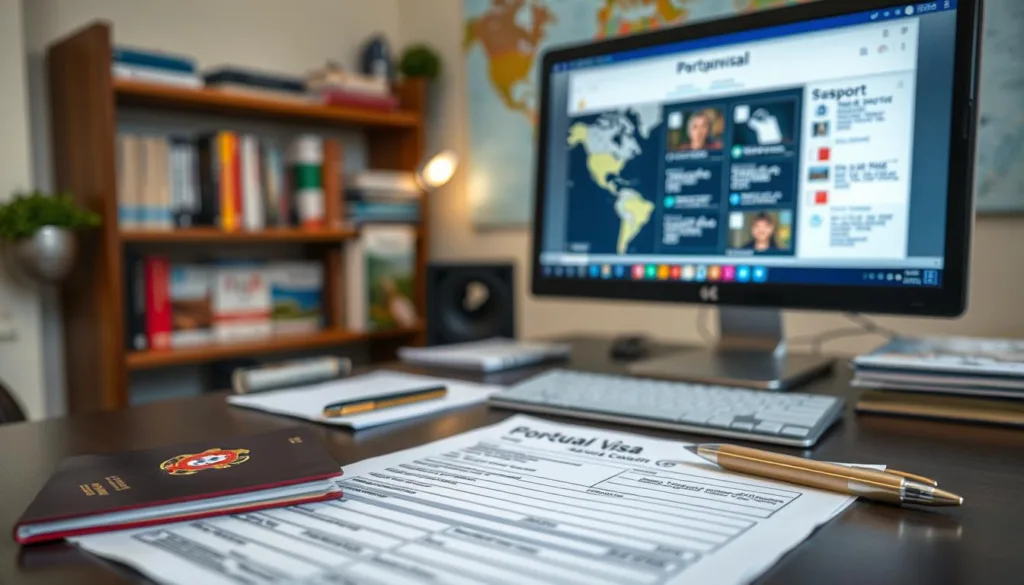
We’ve summarized the key differences in the table below to help you understand the application process for both visas.
| Visa Type | Required Documents | Processing Time | Application Fee |
|---|---|---|---|
| D7 Visa | Passport, proof of income, health insurance, proof of residence | Typically 60-90 days | €50-€100 |
| Digital Nomad Visa | Passport, proof of remote work, health insurance, proof of income | Typically 30-60 days | €50-€100 |
Knowing these requirements and timelines helps you plan your application better.
Financial Considerations
When deciding between the D7 and Digital Nomad Visas, think about your finances first. Knowing the cost of living in Portugal and the income needs for each visa is key. This will help you choose wisely based on your budget.
Cost of Living in Portugal
Portugal has a lower cost of living than many Western European countries. This makes it a great choice for expats and digital nomads. But, your spending habits can change your costs. For example, living in Lisbon or Porto might cost more than smaller towns or rural areas.
Here’s a breakdown of typical monthly expenses to consider:
- Rent: €400-€800 for a one-bedroom apartment outside city centers
- Food: €300-€500 per month for basic groceries and dining out
- Transportation: €30-€50 per month for public transport
- Utilities: €100-€150 per month for a basic apartment
Income Requirements for Each Visa
Both visas have income rules you must follow to apply.
| Visa Type | Minimum Income Requirement |
|---|---|
| D7 Visa | €7,200 per year (reference value for 2023) |
| Digital Nomad Visa | €3,040 per month (approximately €36,480 per year) |
The D7 Visa needs a yearly income of €7,200. This can come from pensions, retirement income, or other passive income. The Digital Nomad Visa, though, requires a much higher income. It’s set at about €3,040 monthly, from remote work or freelancing.
When planning for either visa, remember to look at more than just the income needs. Also, think about the cost of living in Portugal and how your lifestyle will impact your spending.
Lifestyle and Location
The lifestyle and location you choose in Portugal can greatly affect your experience as a remote worker. Portugal offers a wide range of lifestyles and locations. You can find bustling cities or tranquil coastal towns.
Working Remotely in Portugal
Portugal is a favorite among remote workers. It has a welcoming culture, beautiful landscapes, and modern infrastructure. As a remote worker, you can work from anywhere, like a coffee shop in Lisbon or a co-working space in Porto.
Reliable internet is key for remote work. Portugal has invested in its digital infrastructure. Many cafes, co-working spaces, and public areas offer high-speed internet, making it easy to stay connected.
“Portugal’s mild climate, rich culture, and welcoming people make it an ideal destination for digital nomads and remote workers alike.”
Some popular locations for remote workers in Portugal include:
- Lisbon: Known for its vibrant culture and networking opportunities.
- Porto: Famous for its beautiful riverside quarter and growing tech scene.
- Lagos: A coastal town in the Algarve region, popular for its laid-back atmosphere.
Lifestyle Differences Between D7 and Nomad Visa Holders
D7 Visa holders and Digital Nomads can both enjoy Portugal’s benefits. But, there are lifestyle differences. D7 Visa holders often aim to integrate into Portuguese society.
| Lifestyle Aspect | D7 Visa Holders | Digital Nomads |
|---|---|---|
| Residency Focus | More settled, integrating into local society | Often more transient, moving between locations |
| Community Engagement | Tend to engage more with local communities | May connect more with other digital nomads |
| Work Environment | May work from home or local co-working spaces | Often work from cafes, co-working spaces, or remote locations |
Digital Nomads have a more flexible lifestyle. They often move between locations and connect with other digital nomads.
Your choice between the D7 Visa and Digital Nomad Visa depends on your personal preferences and lifestyle goals. Understanding the differences between these options helps you make an informed decision that fits your needs.
Tax Implications
Portugal’s tax system can be tricky, mainly for D7 Visa holders and Digital Nomads. Knowing the tax rules of your visa is key.
Tax Residency for D7 Visa Holders
If you hold a D7 Visa and stay in Portugal for over 183 days in a year, you’re seen as a tax resident. This means you’ll have to pay taxes on all your income worldwide. You’ll also need to register with the tax authorities and get a tax ID number (NIF).
Key tax considerations for D7 Visa holders include:
- Taxation on worldwide income
- Potential eligibility for the Non-Habitual Residence (NHR) regime, which can offer significant tax benefits
- Compliance with annual tax filing requirements
Tax Responsibilities for Digital Nomads
Digital Nomads have different tax rules. If you’re not a resident, you only pay taxes on income earned in Portugal. But, if you become a resident, you’ll pay taxes on all your income, like D7 Visa holders.
Key considerations for Digital Nomads include:
- Determining your tax residency status based on the duration of your stay
- Understanding the tax implications of your income sources
- Compliance with tax filing obligations, if applicable
| Tax Aspect | D7 Visa Holders | Digital Nomads |
|---|---|---|
| Tax Residency | Resident if staying more than 183 days | Resident if staying more than 183 days |
| Income Taxation | Worldwide income taxed | Only Portuguese-sourced income taxed if non-resident |
| NHR Regime Eligibility | Potentially eligible | Potentially eligible |
It’s important to understand these tax rules to choose the right visa. Talking to a tax expert can help you make the best choice for your situation.
Community and Networking Opportunities
Building a community is key in Portugal, whether you’re on a D7 Visa or a Digital Nomad Visa. Meeting others like you can make your stay better and open new doors.
Building a Community with D7 Visa Holders
As a D7 Visa holder, you join a growing group of expats in Portugal. They chose Portugal for its lifestyle and benefits. You can meet others through expat groups and social events.
Key ways to build your community include:
- Joining local expat groups and clubs
- Attending social events and gatherings
- Participating in online forums and social media groups
Digital Nomad Networks in Portugal
Portugal is great for Digital Nomads, with a strong network of remote workers and entrepreneurs. You’ll find communities in big cities like Lisbon and Porto.
Some popular digital nomad networks include:
- Nomad Lisbon
- Porto Remote Happy Hour
- Portugal Digital Nomads Facebook group
Here’s a comparison of the community and networking opportunities for D7 Visa holders and Digital Nomads:
| Opportunity | D7 Visa Holders | Digital Nomads |
|---|---|---|
| Expat Groups | Yes | Yes |
| Social Events | Yes | Yes |
| Online Communities | Yes | Yes |
| Remote Workspaces | Limited | Yes |
Common Challenges
When choosing between the D7 Visa and the Digital Nomad Visa, knowing the challenges is key. Both visas have their perks but also their downsides.
Challenges with the D7 Visa
The D7 Visa is popular for retirees and those with passive income. Yet, it has its hurdles. The minimum income requirement can be tough for some. The bureaucratic process is also long and complex, needing patience and sometimes help from professionals.
Another issue is adapting to the local culture and language. While many Portuguese speak English, fitting in can be tough. Understanding the healthcare system and tax implications as a foreigner can also be overwhelming.
Issues Digital Nomads Might Face
Digital Nomads have their own set of challenges. One big one is finding stable and fast internet for remote work. Portugal has improved its digital setup, but some areas outside big cities might lag.
“The freedom to work from anywhere comes with its own challenges, such as maintaining a work-life balance and dealing with isolation.”
Digital Nomads also face the visa renewal process and must follow all rules to avoid legal trouble. The lifestyle can lead to feelings of isolation, so finding communities and networking is key.
Both D7 Visa holders and Digital Nomads must tackle these challenges. Knowing what to expect and being proactive can greatly help in making the move to Portugal smoother.
Making Your Decision
Choosing between the Portugal D7 Visa and the Digital Nomad Visa depends on your long-term goals and lifestyle. Think about what you want most from your stay in Portugal.
Assessing Your Long-term Goals
Think about your plans: Do you want to settle in Portugal for good or enjoy a nomadic lifestyle? The D7 Visa is great for those wanting to stay long-term. On the other hand, the Digital Nomad Visa lets you work remotely anywhere.
Key Factors to Consider for Your Lifestyle
When looking at visa options, think about income, taxes, and community. The D7 Visa needs a steady income from abroad. The Digital Nomad Visa is for remote workers with flexible income.
Final Thoughts on Choosing the Right Visa
Your choice should match your personal and work goals. Take time to compare visas and pick the one that fits your dreams. This way, you’ll have a great experience in Portugal.
FAQ
What is the main difference between the Portugal D7 Visa and the Digital Nomad Visa?
The Portugal D7 Visa is for those who want to live in Portugal and have a steady income. This income can come from pensions, rental properties, or other sources not from Portugal. On the other hand, the Digital Nomad Visa is for remote workers who earn money from abroad.
Can I work remotely in Portugal with a D7 Visa?
Yes, you can work remotely in Portugal with a D7 Visa. But, you must meet the visa’s requirements. This includes having enough money and not working for a Portuguese company.
How long does it take to process a Portugal D7 Visa or Digital Nomad Visa application?
Processing times vary, but a D7 Visa usually takes 3 to 6 months. The Digital Nomad Visa’s time is not yet set, as it’s new.
What are the income requirements for the D7 Visa and Digital Nomad Visa?
For the D7 Visa, you need to show an annual income of about €7,200 to €8,460. The Digital Nomad Visa requires a monthly income of around €3,040.
Can I apply for Portuguese residency with either visa?
Yes, both visas can lead to Portuguese residency. After five years with either visa, you can apply for permanent residency.
Are there any specific health insurance requirements for the D7 Visa and Digital Nomad Visa?
Yes, you must have health insurance that covers you in Portugal for both visas. The insurance must meet the Portuguese authorities’ minimum requirements.
Can I bring my family with me on either visa?
Yes, you can bring your dependents, like spouses and children, with both visas. But, there are certain conditions.
How do the tax implications differ between the D7 Visa and the Digital Nomad Visa?
As a D7 Visa holder, you’re a tax resident in Portugal if you stay over 183 days a year. Digital Nomads might also be tax residents, based on their stay and other factors. It’s best to talk to a tax expert to understand your tax duties.