There’s nothing quite like watching your dog’s ears flap in the wind as you cruise down an open highway or seeing your cat curiously peek out of their carrier at a new destination. For many of us, our pets aren’t just animals—they’re family. Leaving them behind during adventures can feel like missing a piece of yourself.
But let’s be honest: hitting the road with your furry friend isn’t as simple as tossing a leash in the car. Last summer, my anxious terrier taught me this the hard way when a poorly planned trip left us both stressed. That experience revealed how preparation turns chaos into joy—for you and your pet.
Whether it’s a weekend camping escape or a cross-country journey, successful adventures start with understanding your companion’s needs. Some pets thrive on new sights, while others prefer the couch. Age, health, and temperament matter. A quick vet visit and updated paperwork can prevent headaches later.
Key Takeaways
- Shared journeys deepen bonds between you and your pet
- Tailor plans to your animal’s personality and physical needs
- Health checks and documentation are non-negotiable
- Not all pets enjoy exploration—know when to stay home
- Advance preparation reduces stress for everyone involved
Introduction to Pet Travel Adventures
Ever notice how your dog’s tail wags faster when you grab their leash? Or how your cat rubs against your suitcase as you pack? Sharing journeys with animals transforms ordinary trips into unforgettable stories. Unlike solo adventures, these moments become shared victories—like conquering a mountain trail together or discovering a hidden lakeside spot.
Why Companionship Changes Everything
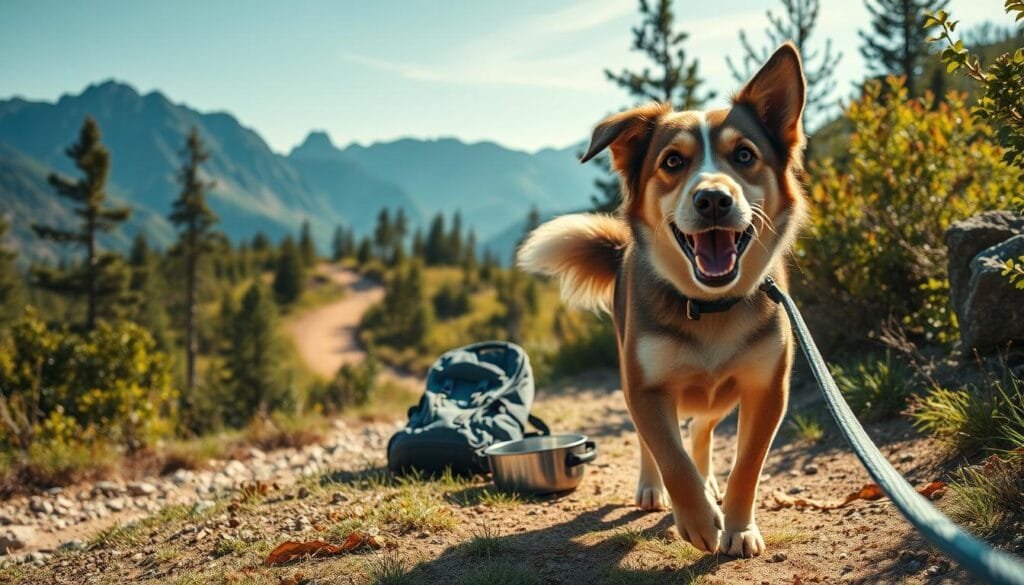
Bringing your furry co-pilot along does more than spark joy. It pushes you to seek out dog-friendly breweries, cat-approved cabins, and parks where squirrels outnumber people. “Animals make us better explorers,” says Colorado hiker Marissa T., whose terrier once led her to a waterfall she’d missed on three previous trips.
The Realities of Road Life
Not every pet belongs on the road. While some dogs live for car rides, most cats prefer sunbeams on their favorite windowsill. Age and health matter too—a senior animal might find long trips stressful. That’s why pre-trip exercise and puzzle toys work wonders for calming nerves.
You’ll need extra planning time, but the payoff? Watching your pup’s first beach romp or your rabbit’s nose twitch at mountain air. These shared discoveries create bonds that last long after you return home.
Preparing Your Pet for the Trip
Imagine arriving at your destination only to realize your furry companion’s paperwork expired yesterday—don’t let this be your story. Medical preparation separates smooth journeys from logistical nightmares. Start by contacting your veterinarian at least one month before departure to navigate requirements specific to your destination.

Veterinarian Check-Up and Health Certificates
Your first stop? A comprehensive health exam. Veterinarians assess fitness for travel and update crucial vaccinations like rabies—a legal requirement in most states. Pro tip: Schedule this visit 8-12 days before departure since health certificates typically expire within 10 days of travel.
- Request printed proof of all vaccinations
- Discuss anxiety management strategies if needed
- Obtain digital and physical copies of medical records
Essential Travel Documents and Vaccination Records
Paperwork is your pet’s passport. Domestic trips usually require rabies certification and a recent health certificate. International adventures demand more—some countries mandate blood tests or quarantine periods. Always check destination-specific rules 3 months ahead.
Keep these items in a waterproof folder:
– USDA-endorsed health forms (for international travel)
– Microchip details matching your ID tags
– Emergency contact list including your vet’s number
One traveler learned the hard way: “Airline staff nearly denied boarding because my cat’s health certificate was eleven days old.” Double-check dates and keep documents accessible—not buried in checked luggage.
Tips for Traveling with Pets
What separates a smooth journey from a chaotic one? The right gear and smart safety measures. Your furry companion’s comfort and security depend on thoughtful choices you make before hitting the road.
Selecting the Right Carrier and Crate
Start by measuring your animal from nose to tail. A proper crate allows standing, sitting, and turning without restriction. Airline-approved hard-shell options work best for flights, while soft-sided carriers suit car rides. “Introduce the crate weeks early,” suggests travel blogger Jenna R. “Toss treats inside to create positive associations.”
For anxious travelers, line the bottom with familiar bedding. Secure water bowls to prevent spills. Test the latch system repeatedly—you don’t want surprises at 30,000 feet.
Proper Identification and Safety Tags
Make sure your companion has two forms of ID: a permanent microchip and visible tags. Engrave both your phone number and a backup contact on their collar. Add a temporary tag with your destination details during trips.
Snap clear photos showing unique markings before departure. Store digital copies in your phone’s cloud. If separation occurs, these images help authorities act quickly.
Never skip the leash—even well-behaved animals bolt in unfamiliar places. Choose reflective materials for nighttime visibility. Pair it with a breakaway collar that releases if caught on obstacles.
Traveling by Air: Flying with Your Furry Friend
Navigating airport security with a curious cat or an excited puppy requires more than just a sturdy leash. Air travel with animals demands meticulous preparation—especially since airline policies vary as much as seat sizes. Let’s decode what you need to know before booking that flight.
Understanding Airline Requirements and Regulations
Every airline sets unique rules for pets. Some ban snub-nosed dogs in cargo, while others restrict cabin animals by weight. Always check your carrier’s website 6-8 weeks before departure. “Policies change faster than boarding times,” warns a Delta Air Lines customer service rep. “Never assume last year’s information still applies.”
Book direct flights whenever possible. Layovers increase exposure to extreme temperatures in the cargo area—federal law prohibits animal transport if ground temps exceed 85°F or drop below 45°F. Your pet’s crate must have USDA approval, visible “Live Animal” labels, and your contact details on three sides.
Crate Safety and In-Flight Comfort Tips
Your crate is your companion’s mobile fortress. Measure carefully: airlines require enough space for standing and turning. Line the floor with absorbent padding, and freeze a water bowl to prevent spills during security checks. Attach a current photo of your pet to the exterior—this helps staff identify them quickly if separated.
- Practice crate naps weeks before travel
- Include a familiar-smelling t-shirt
- Use zip ties for extra latch security
Inform every employee—from check-in agents to flight attendants—that you’re transporting an animal. This simple step ensures handlers prioritize temperature-controlled plane storage. Remember: Preparation transforms airborne adventures from stressful to seamless.
Road Trips and Car Safety for Pets
The hum of tires on asphalt becomes part of your shared adventure when exploring with animals. But before hitting the highway, smart preparation ensures every mile feels like bonding, not battling.
Choosing the Best Car Safety Gear
Start with a safety-certified crate or crash-tested harness. Measure your companion’s standing height and weight—gear should allow natural movement without excess space. For dogs, look for harnesses with seatbelt anchors that clip directly into your car’s buckle system. “A proper restraint saved my golden retriever during sudden braking,” shares road-tripper Devin K.
Ventilation matters. Mesh panels should cover at least three sides of carriers. Test latches repeatedly—you want gear that withstands excited wiggles. Keep a collapsible water bowl within reach, and always secure it during stops.
Quick Drives to Build Familiarity and Reduce Anxiety
Begin with five-minute trips around the block. Gradually increase to 20-minute sessions, rewarding calm behavior with treats. This builds positive associations with the car. If your cat yowls or your rabbit freezes, pause training and consult your vet about calming aids.
Never let animals roam freely. Unrestrained pets become projectiles during accidents—even at 30 mph. And while that window breeze seems fun, flying debris can injure eyes or lungs. Use pet-specific window screens instead.
Remember: parked cars turn deadly fast. On a 75°F day, interior temps hit 100°F in 10 minutes. If you must stop, leave the AC running and set a phone reminder to check back every 5 minutes. Your destination waits—safety doesn’t.
Pet-Friendly Travel Accessories & Emergency Preparedness
The right gear turns potential disasters into mere bumps in the road. Smart preparation means enjoying sunsets instead of scrambling for supplies when plans shift unexpectedly.
Creating a Comprehensive Pet Travel Kit
Pack a dedicated bag with sealed food portions and collapsible water bowls. Include a 3-day surplus—delays happen. Medications go in labeled pill cases with dosage instructions. Don’t forget a spare harness and quick-dry towel for muddy paws.
Stash portable chargers for phone-enabled GPS trackers. A foldable litter box or pee pads save hotel carpets. Rotate perishables weekly to avoid expired treats.
Planning for Unforeseen Situations
Program emergency vet clinics along your route into your maps app. Save their number as “ICE Pet Vet” for quick access. Check weather forecasts hourly in mountain areas—sudden changes demand shelter plans.
Keep a recent photo of your pet on your lock screen. If separated, this helps others identify them fast. Always carry a backup leash in your glovebox—even trusty clips can fail.
Your adventure kit should mirror your home routine. Familiar toys and blankets ease stress when surroundings shift. With thoughtful prep, you’ll handle curveballs while keeping tails wagging.
FAQ
How do I prepare my pet for a long flight?
Start by confirming airline policies for pets, including crate dimensions and vaccination requirements. Visit your veterinarian for a health certificate and ensure your pet’s rabies vaccination is up-to-date. Acclimate your furry friend to their carrier weeks before departure with short practice sessions.
What essentials should I pack for my dog during a road trip?
Bring a travel kit with collapsible bowls, bottled water, their regular food, and medications. Include a leash, waste bags, and a familiar blanket for comfort. Don’t forget a safety harness or crash-tested crate to secure them in the car.
Are there specific rules for international pet travel?
Yes! Each country has unique entry requirements, such as microchipping, blood tests, or quarantine periods. Check your destination’s government website and work with your vet to complete paperwork like the USDA-endorsed health certificate. Allow extra time for processing.
How can I reduce my cat’s anxiety during car rides?
Gradually introduce short drives to build familiarity. Use pheromone sprays or calming treats recommended by your vet. Keep their carrier secure and cover it with a light cloth to minimize visual stress. Play soft music to create a soothing environment.
What if my pet gets sick while traveling?
Pack a first-aid kit with gauze, antiseptic wipes, and your vet’s contact information. Research emergency animal clinics along your route or near your destination. For air travel, ask the airline about their protocol for mid-flight medical issues.
Can I bring my pet’s favorite toys on the plane?
Yes, but avoid bulky items. Small, quiet toys like chew sticks or a snuggle pad can provide comfort. Ensure they’re securely placed in the carrier to prevent shifting during turbulence. Skip noisy toys to avoid disturbing fellow passengers.
Do hotels charge extra fees for pets?
Many do. Always confirm pet policies when booking—look for terms like “pet-friendly” or “pet fee included.” Brands like La Quinta and Kimpton often welcome animals without added costs. Bring proof of vaccinations in case the hotel requests it.